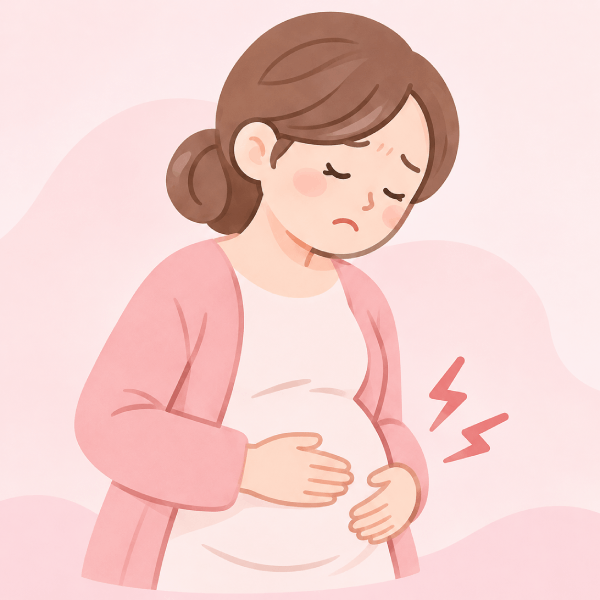
Finding out that you're pregnant is an exciting moment. But if you suddenly experience abdominal discomfort and frequent trips to the bathroom, it's natural to feel concerned.
Is diarrhea normal in early pregnancy? Could it affect my baby?
Hormonal changes and physical adjustments during early pregnancy can affect your digestive system.
Let's explore the causes of diarrhea in early pregnancy, how to prevent dehydration, and the warning signs that require medical attention. 💗
Diarrhea in Early Pregnancy: Key Facts
Diarrhea in early pregnancy may be caused by certain foods, infectious gastroenteritis, lactose intolerance, supplements, or medications. Diarrhea is not a typical pregnancy symptom, and mild diarrhea alone does not necessarily indicate a problem with your baby.
- Mild diarrhea can often be managed with adequate hydration and rest.
- Repeated diarrhea may cause dehydration due to fluid and electrolyte loss.
- Seek prompt medical attention if you have a fever of 38°C (100.4°F) or higher, bloody stools, severe abdominal pain, or signs of dehydration.
- Consult a healthcare professional or pharmacist before taking anti-diarrheal medications.
Is Diarrhea Common in Early Pregnancy?
Diarrhea can occur during early pregnancy, but it is not a typical pregnancy symptom.
Changes in hormones such as estrogen and progesterone can affect the digestive system.
However, constipation is generally more common during pregnancy. Diarrhea may instead be related to food, infection, or other factors.
Diarrhea is generally defined as passing loose or watery stools three or more times a day.
If you experience diarrhea during early pregnancy, consider other possible causes, including recent dietary changes and medications, rather than assuming pregnancy itself is responsible.
Four Common Causes of Diarrhea in Early Pregnancy
Common causes include dietary irritation, viral or bacterial gastroenteritis, lactose intolerance, and the effects of supplements or medications.

1. Dietary Irritation
Fatty or spicy foods may irritate the digestive system. Morning sickness and dietary changes may also make previously well-tolerated foods feel uncomfortable.
If diarrhea repeatedly occurs after eating certain foods, review your recent diet and temporarily avoid foods that trigger symptoms.
2. Viral or Bacterial Gastroenteritis
Viral or bacterial infections can cause sudden diarrhea and abdominal pain. Infection may occur after consuming contaminated food or water.
Diarrhea accompanied by vomiting or fever may indicate infectious gastroenteritis.
3. Lactose Intolerance and Food Sensitivities
Lactose intolerance occurs when the body cannot adequately digest lactose, the sugar found in milk and dairy products.
Repeated diarrhea, abdominal pain, or bloating after consuming dairy products may suggest lactose intolerance.
If symptoms persist after consuming dairy products, lactose-free milk may be an alternative.
4. Supplements and Medications
Some supplements and medications can affect the digestive system and cause diarrhea.
If symptoms begin after starting a new product, review its ingredients and when you started taking it. Do not stop essential prenatal supplements or prescribed medications without consulting your healthcare professional.
Why Persistent Diarrhea Can Cause Dehydration
Repeated diarrhea during pregnancy can lead to dehydration through the loss of fluids and electrolytes.
Maintaining adequate hydration is especially important during pregnancy.

🚨 Signs of Dehydration During Pregnancy
- Excessive thirst and a dry mouth.
- Reduced urination or dark-colored urine.
- Dizziness or lightheadedness when standing up.
- Unusual fatigue or weakness.
- A rapid heartbeat or feeling faint.
Seek medical attention if you experience these symptoms rather than dismissing them as an ordinary stomach upset.
How to Manage Diarrhea in Early Pregnancy at Home
If symptoms are mild and there are no warning signs, focus on adequate hydration, easily digestible foods, and sufficient rest.

1. Drink Small Amounts of Water Frequently
Take frequent small sips of water rather than drinking large amounts at once. If diarrhea continues, consult a healthcare professional about using an oral rehydration solution (ORS).
2. Avoid Foods That Irritate the Digestive System
Temporarily avoid fatty foods, spicy foods, and caffeinated beverages that may worsen symptoms.
3. Eat Easily Digestible Foods
Try small portions of rice porridge, bananas, potatoes, or soft, well-cooked foods. There is no need to deliberately fast.
4. Get Enough Rest
Diarrhea can leave you feeling weak and tired. Reduce strenuous activities and allow your body to recover.
5. Consult a Healthcare Professional Before Taking Medication
Early pregnancy is an important period for fetal organ development. Consult your obstetric healthcare provider or pharmacist before taking anti-diarrheal or other gastrointestinal medications.
When Should You See a Doctor for Diarrhea During Pregnancy?
Seek medical attention if diarrhea persists or is accompanied by a fever of 38°C (100.4°F) or higher, bloody stools, severe abdominal pain, or signs of dehydration.

1. Fever of 38°C (100.4°F) or Higher and Chills
Fever or chills may indicate an infection that requires medical assessment.
2. Bloody or Black Stools
Seek prompt medical attention if you notice blood in your stool or black, tarry stools.
3. Severe Abdominal Pain or Persistent Cramping
Severe or worsening abdominal pain requires medical evaluation.
Severe pain on one side of the lower abdomen, vaginal bleeding, shoulder-tip pain, dizziness, or fainting during early pregnancy may indicate an emergency such as an ectopic pregnancy. Seek emergency medical care immediately if these symptoms suggest such a complication.
4. Severe Dehydration
Significantly reduced urination, severe dizziness, weakness, or a rapid heartbeat requires medical assessment.
5. Persistent or Repeated Diarrhea
Ongoing diarrhea or vomiting that prevents you from drinking enough fluids can increase the risk of dehydration. Seek medical advice before symptoms worsen.
Frequently Asked Questions About Diarrhea in Early Pregnancy
Q. Is diarrhea a very early sign of pregnancy?
Diarrhea may occur in very early pregnancy, but it is not a typical sign. Diarrhea alone cannot confirm pregnancy. Food, infections, and medications should also be considered.
Q. Can diarrhea in early pregnancy affect my baby?
One or two episodes of mild diarrhea do not necessarily indicate a problem with your baby. However, severe dehydration or fever caused by infection requires medical attention.
Q. What should I eat when I have diarrhea during pregnancy?
Eat small portions of easily digestible foods such as rice porridge, bananas, and potatoes. Drink water frequently and temporarily avoid fatty foods, spicy foods, and caffeinated beverages.
Q. Can I take anti-diarrheal medication during pregnancy?
Do not take anti-diarrheal medications without professional advice. Safety may depend on the active ingredients and your stage of pregnancy. Consult your obstetric healthcare provider or pharmacist first.
Q. What if I have diarrhea and abdominal pain together?
Mild abdominal pain with diarrhea may result from digestive irritation or gastroenteritis. Seek prompt medical attention if the pain is severe or persistent, or if you experience fever, vaginal bleeding, or dizziness.
Even small changes in your body can feel worrying during early pregnancy.
However, having diarrhea once or twice does not necessarily mean something is wrong with your baby.
The most important steps are identifying possible causes and maintaining adequate hydration if diarrhea continues.
If you experience fever, bloody stools, severe abdominal pain, or signs of dehydration, seek medical attention.
Taking care of your own health is one of the first steps in caring for your baby.
Enjoy a healthy and comfortable pregnancy journey with pregnancy&baby! 💗
📚 References
- Korea Disease Control and Prevention Agency (KDCA) – Diarrhea (Korean)
- MSD Manual – Diarrhea in Adults (Korean)
- Centers for Disease Control and Prevention (CDC) – Pregnant Travelers: Urgent Maternal Warning Signs