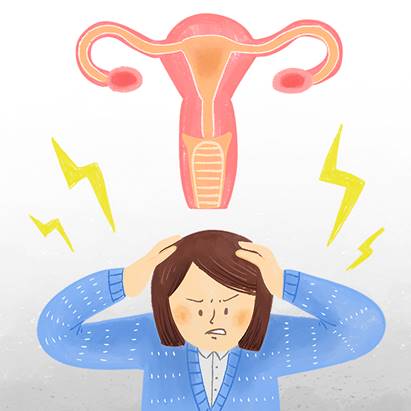
Period Pain: A Monthly Discomfort
Period pain varies greatly from person to person. Some people have little or no pain, while others experience cramps severe enough to interfere with everyday activities.1. Primary dysmenorrheaPrimary dysmenorrhea is menstrual pain that occurs without another underlying pelvic condition. Increased prostaglandin levels around the start of menstruation cause the uterus to contract, leading to cramping pain. Pain may spread to the lower back or thighs and may be accompanied by nausea, diarrhea, headaches or fatigue.What can help?Nonsteroidal anti-inflammatory drugs (NSAIDs), such as ibuprofen or naproxen, are commonly used to relieve primary dysmenorrhea by reducing prostaglandin production. Heat applied to the lower abdomen, gentle exercise and stretching may also help.Hormonal contraception can be another treatment option depending on your health and whether you are currently trying to conceive.2. Secondary dysmenorrheaSecondary dysmenorrhea is period pain caused by an underlying condition. Possible causes include endometriosis, adenomyosis, uterine fibroids, pelvic inflammatory disease and certain structural abnormalities.Consider seeing a healthcare professional if your pain is getting progressively worse, does not improve with pain relief, occurs outside your period, is accompanied by unusual bleeding, or causes pain during sex, urination or bowel movements.Seek prompt medical care if pelvic or period pain suddenly becomes much more severe than usual or remains severe despite pain relief.