When Ovulation Is Irregular: Causes and Treatment
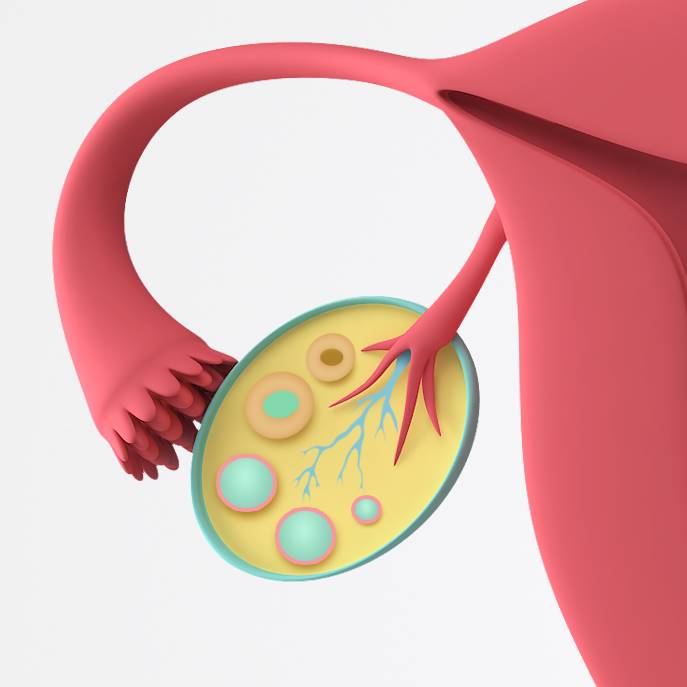
Ovulation disorders are one of the common causes of female infertility. Fortunately, in many cases, treatment can help restore or induce ovulation.Ovulation is essential for conceptionOvulation is the release of a mature egg from a follicle in the ovary. Once released, the egg enters the fallopian tube, where it may meet sperm and become fertilized.Women with regular menstrual cycles of approximately 21–35 days are more likely to ovulate regularly, although occasional cycles without ovulation can still occur. Irregular or infrequent periods may be a sign that ovulation is not occurring regularly.One of the most common causes of ovulatory dysfunction is polycystic ovary syndrome (PCOS). Ovulation can also be affected by significant weight loss, insufficient energy intake, excessive exercise, severe stress, hormonal disorders, or problems involving the hypothalamus or pituitary gland.When ovulation is irregular, it can be difficult to predict whether and when ovulation will occur in a particular cycle. For women trying to conceive, ovulation induction may therefore be considered depending on the underlying cause.How is ovulation induced?Ovulation induction involves using medication to stimulate the development of ovarian follicles and help a mature egg to be released.The appropriate treatment depends on the cause of the ovulation disorder, age, ovarian reserve, and other individual factors.1) Oral medications for ovulation inductionCommon oral medications include letrozole and clomiphene citrate.Letrozole works by temporarily reducing estrogen production. In response, the brain increases signals that stimulate follicle development. Letrozole is now commonly used as a first-line treatment for ovulation induction, particularly in women with PCOS.Clomiphene citrate has also been used for many years to induce ovulation. It stimulates the hormonal signals needed for follicle development. In some women, however, it may temporarily thin the endometrium or reduce cervical mucus.These medications are usually taken for several days early in the menstrual cycle, but the dose and timing should be determined individually by a healthcare professional.2) Injectable medications for ovulation inductionGonadotropin injections contain hormones such as FSH, sometimes in combination with LH activity, that directly stimulate the ovaries to develop follicles.Preparations include urinary-derived gonadotropins, such as human menopausal gonadotropin (hMG), as well as recombinant FSH (rFSH).Injectable medications may be considered when oral medications are not effective or when more controlled ovarian stimulation is required, including during fertility treatments such as intrauterine insemination (IUI) or in vitro fertilization (IVF).In women whose ovulation problems are caused by insufficient hormonal stimulation from the hypothalamus or pituitary gland, gonadotropin treatment may be required.Because ovulation-induction medications can cause more than one follicle to develop and may increase the risk of multiple pregnancy or ovarian hyperstimulation, treatment may require ultrasound and/or blood-test monitoring.The most appropriate medication and treatment plan vary from person to person, so ovulation induction should be carried out under the guidance of a fertility specialist or other qualified healthcare professional.