A Time of Physical and Emotional Changes: The Luteal Phase
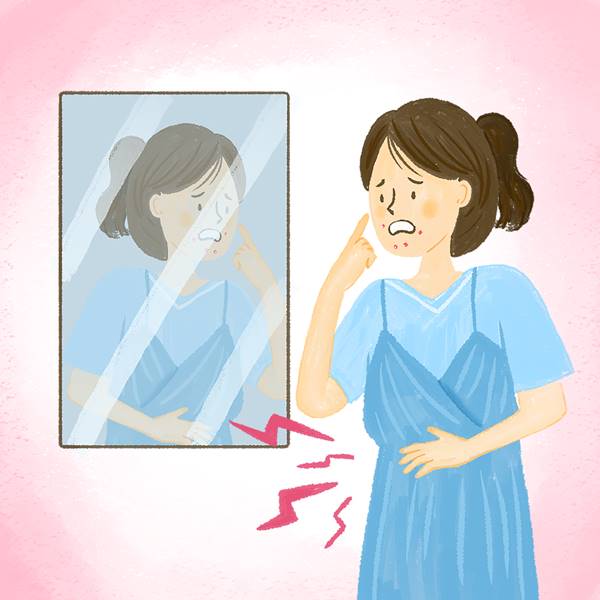
The luteal phase begins immediately after ovulation. From the ovary's perspective, this phase is called the luteal phase because the follicle has transformed into the corpus luteum. Unlike the follicular phase, it is relatively consistent in length, usually lasting about 13–15 days. The corpus luteum produces progesterone, a hormone that increases blood vessels and glandular secretions within the uterine lining. For the uterus, this stage is known as the secretory phase. While these changes help a fertilized egg implant successfully and support early embryo development, they also make the uterine lining more delicate and sensitive. During the luteal phase, fluctuations in estrogen and progesterone levels can affect the hypothalamus, the area of the brain involved in regulating emotions. As a result, some people may experience irritability, anxiety, or mood changes. About a week before menstruation begins, progesterone levels rise significantly. This can slow glucose metabolism and lower blood sugar levels, which may explain why cravings for sweet snacks often increase during this time.Reviewed by Dr. Seongil Choo, Obstetrics and Gynecology Specialist, Seoul Boramae Medical Center.